December 17, 2025
Hiring a fencing contractor to install or upgrade a privacy fence is a significant investment. The outcome of this project not only affects the aesthetics of your home but also your privacy and security. To ensure that you make informed decisions, it's crucial to ask the right questions. By doing so, you can avoid potential pitfalls and choose the best fencing contractor and options for your needs. This guide outlines essential questions to ask, helping you embark on a successful fencing project.
1. What Materials Do You Recommend for Privacy Fences?
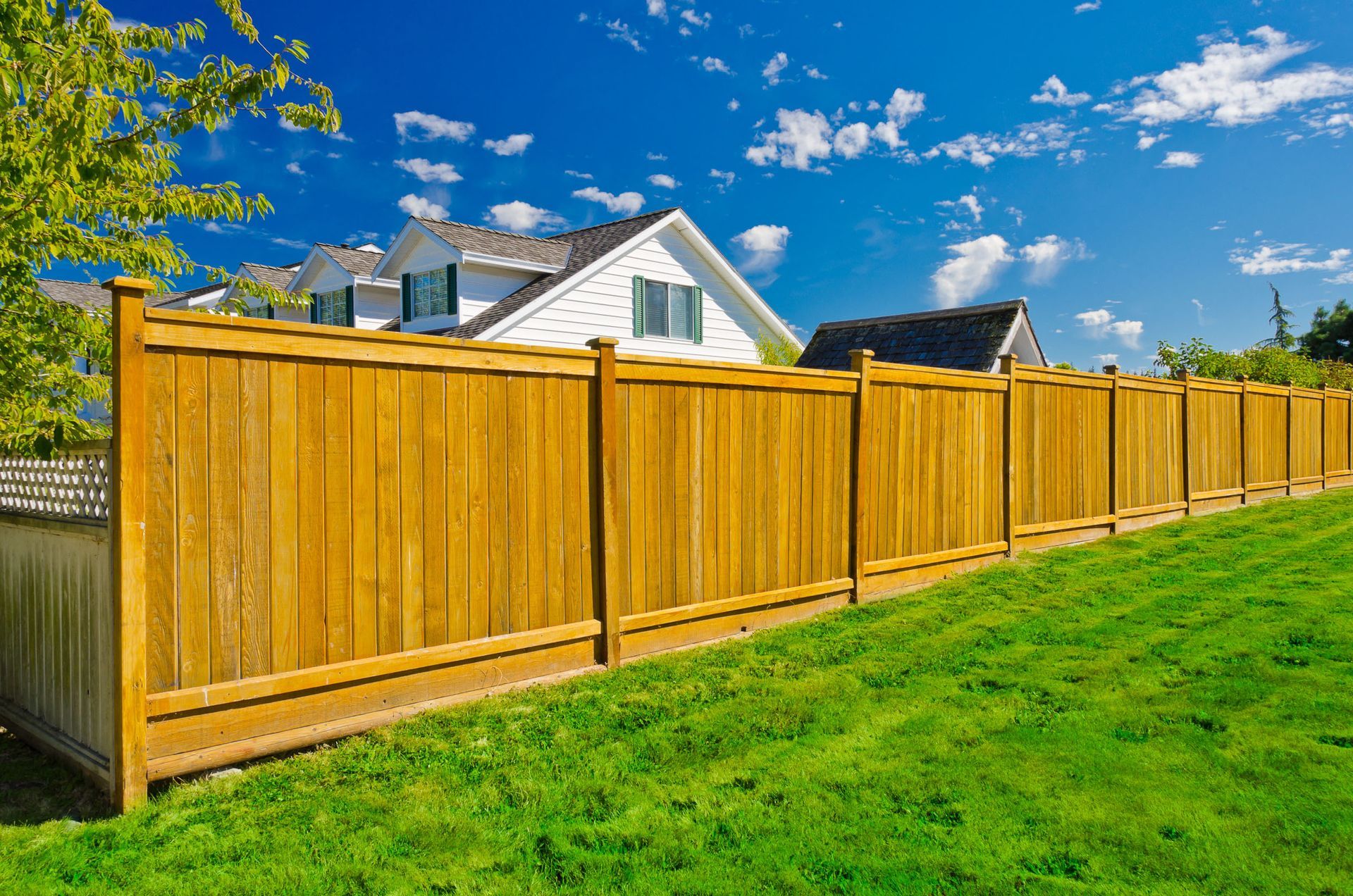
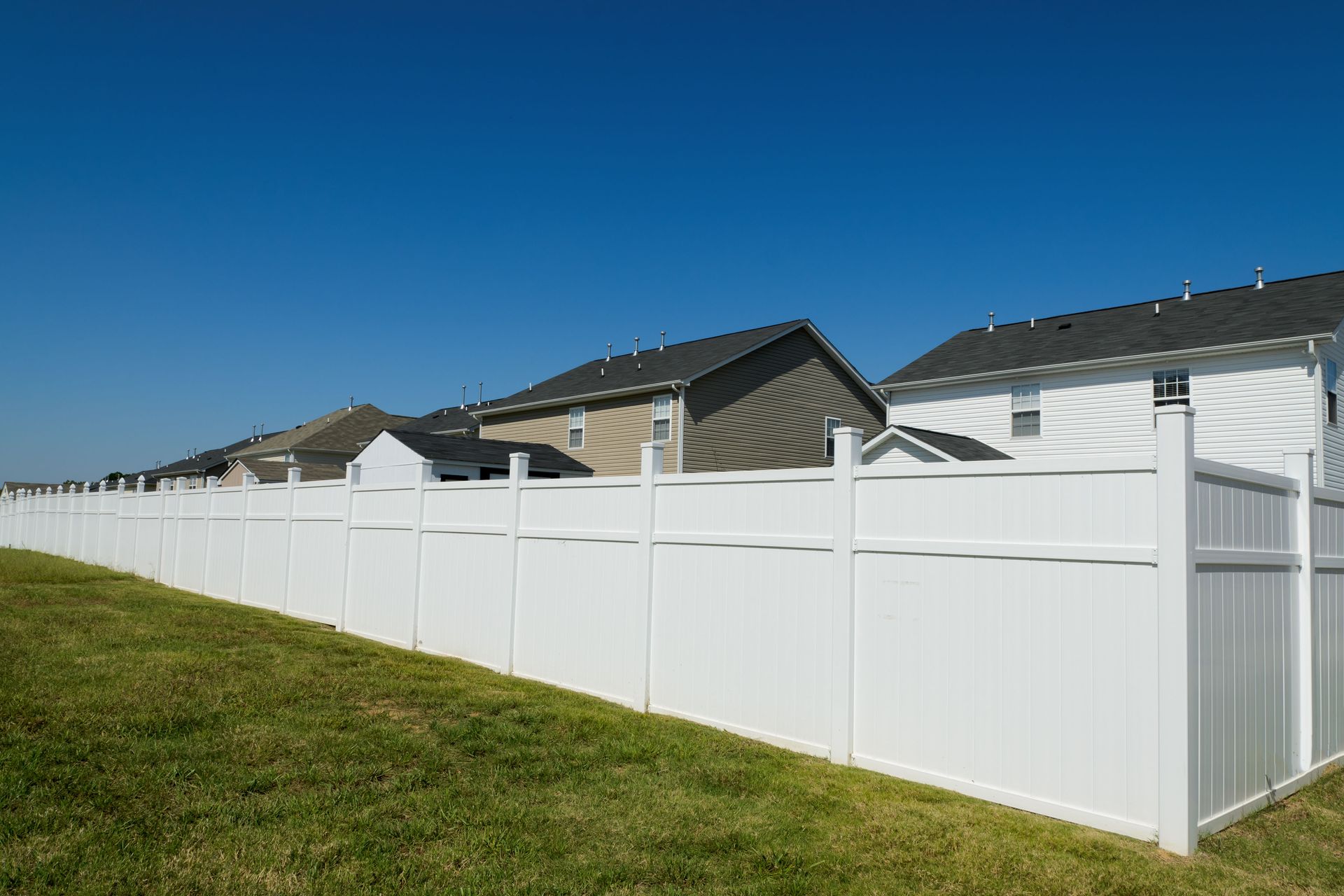
When choosing materials for privacy fences, it's important to understand the available options. Materials such as wood, vinyl, aluminum, and composite each offer unique benefits. Wood provides a classic look but requires regular maintenance. Vinyl requires less upkeep, whereas composite is a blend of wood and plastic, offering durability and minimal care. It's essential to consider aesthetics and practical aspects such as lifespan and cost.
Durability and maintenance are key factors in choosing fence materials. Wood fences, while beautiful, may not withstand extreme weather conditions as well as vinyl or aluminum. Vinyl fences are renowned for their resilience and low maintenance needs. Understanding how each material reacts to various environmental elements ensures your investment lasts longer. An experienced fencing contractor can provide insights on which materials are best suited to your climate and maintenance preferences.
Cost-effectiveness also plays a significant role in material selection. While wood can be initially less expensive, the long-term maintenance costs can add up. Conversely, while vinyl may have a higher upfront cost, its durability can make it a cost-effective option over time.
2. How Will The Privacy Fence Handle Weather Conditions?
A privacy fence's ability to withstand local weather conditions is crucial to its longevity. Harsh winds and storms can damage poorly installed fences. Your fencing contractor should provide information on wind resistance and structural integrity. Some materials, like aluminum and vinyl, offer better resistance to wind and storms than traditional wood. Knowing this information can help in planning a fence that endures challenging weather.
Extreme temperatures can affect fence materials, causing them to expand, contract, or even warp. Wood tends to suffer the most under these conditions, while vinyl and composite are more flexible and durable. Additionally, issues like moisture can lead to rotting, especially in wood fences.
UV resistance is another concern, particularly for areas with abundant sunlight. Material solutions such as UV protection can help prevent fading. Warranty and maintenance requirements are integral to the decision-making process. Contractors should offer warranty options that cover weather damage. Asking these questions can prepare you for any eventuality, making your fence project a worthy investment.
3. What Is the Timeline for Installation?
An estimated timeline is important when planning for a privacy fence installation. Several factors can affect installation speed, including weather conditions, project size, and material availability. Generally, a standard fencing project can take anywhere from a few days to a couple of weeks. However, unexpected delays, such as bad weather or supplier issues, can prolong the timeframe. Understanding these factors can help manage expectations and plan accordingly.
Typical project duration often depends on the complexity and size of the installation. Small-scale projects with available materials typically take a shorter time. However, larger, more intricate designs or customized features may require additional time. A good fencing contractor should provide a projected timeline based on these details, allowing homeowners to prepare adequately.
Potential delays and contingencies should be discussed up front. These could include waiting for permit approvals or inspections, which may take extra time. It's crucial to understand the permit and inspection timelines as they can affect the overall schedule. Clear communication with your contractor can ensure these issues are addressed promptly. It's wise to build in extra time to account for unexpected events, providing a buffer in your project planning.
4. What Is the Cost Breakdown of the Project?
Understanding the cost breakdown of a fence installation project is crucial. Material costs and options often constitute a significant portion of the total expenses. Different materials have varying price points, with wood generally less expensive than vinyl or aluminum. Labor and installation fees are another important component. Discussing labor costs with your fencing contractor can help identify potential savings.
Beyond basic material and labor costs, there are additional expenses to consider. These might include permits, excavation, and potential landscaping requirements. It's beneficial to discuss these possibilities upfront, ensuring no surprises in the final bill. Payment terms and financing options also provide flexibility. Financing can make high-quality materials or extensive customization more accessible to homeowners.
Hidden costs are an unwanted but common occurrence in construction projects. Thorough inquiry can help avoid these surprises. Ensure your contractor is transparent about any potential extra costs. Asking about strategies to mitigate hidden expenses can provide clarity. According to The Spruce, a fence height of 6 feet or more is recommended when privacy is the main goal, which might affect your cost calculation.
5. Do You Provide Design and Customization Services?
Design and customization options greatly impact the final appearance of your privacy fence. A fencing contractor may offer a range of styles and designs, from traditional to contemporary looks. Options for customization can include unique features or distinctive materials that complement your property. A comprehensive consultation process allows you to explore ideas and suggestions. By tailoring the design, you can enhance both the functionality and aesthetic appeal of your fence.
Customization allows for personalization that reflects your style and needs. Whether it's adding lattice work, post caps, or personalized gates, possibilities are broad. Incorporating landscape and property features in the design can further harmonize the installation with your home environment. It's essential that homeowners discuss these personal touches in advance. Examples of past projects by the contractor can provide inspiration and assurance of their capability.
The opportunity for a bespoke fencing solution is alluring but requires careful planning. Review the contractor's portfolio to understand their design capabilities. Requesting examples of past projects can provide insight into the quality and creativity they deliver. Designs that cater to your landscape or mimic architectural features in your home can be particularly rewarding. This added value can transform a simple fence into an integral component of your home's décor.
6. What Is Your Experience and Reputation?
A contractor's experience and reputation are telling indicators of their reliability. Investigating their history and previous work can reveal their expertise and proficiency. Reviews and testimonials from earlier clients are invaluable resources. These references provide real-world insights into the contractor's professionalism and quality of work.
Licenses and certifications are essential for ensuring a contractor's legitimacy and capability. These credentials confirm their compliance with industry standards and local regulations. Insurance coverage is another critical aspect to discuss. Coverage assures you that potential damages or mishaps during the project are covered, thus safeguarding your property. Verification of these aspects provides peace of mind and protects your investment.
Engaging in thorough research and asking the right questions are key steps in hiring a fencing contractor. Each topic covered in this guide provides critical insights into ensuring the success of your fencing project. Professionalism, material quality, design capabilities, cost transparency, and timeline management are integral aspects to consider. Armed with these questions, you can confidently proceed with transforming your property. Contact a professional
fencing contractor today to Advance Fence Inc to schedule a consultation and start planning a fence that combines style, functionality, and lasting durability.